English Curriculum
KS3-4 English Curriculum
The EDClass English Curriculum, schemes, pathways and teaching resources are split into Language- and Literature-centred topics that take every opportunities to deliver the key disciplinary English skills: comprehension, interpretation, analysis, evaluation and communication.
Our key stage 3 curriculum includes a broad variety of valuable literature to deliver these skills, from a range of full Shakespeare texts to engaging modern texts such as Holes and Boy in the Striped Pyjamas.
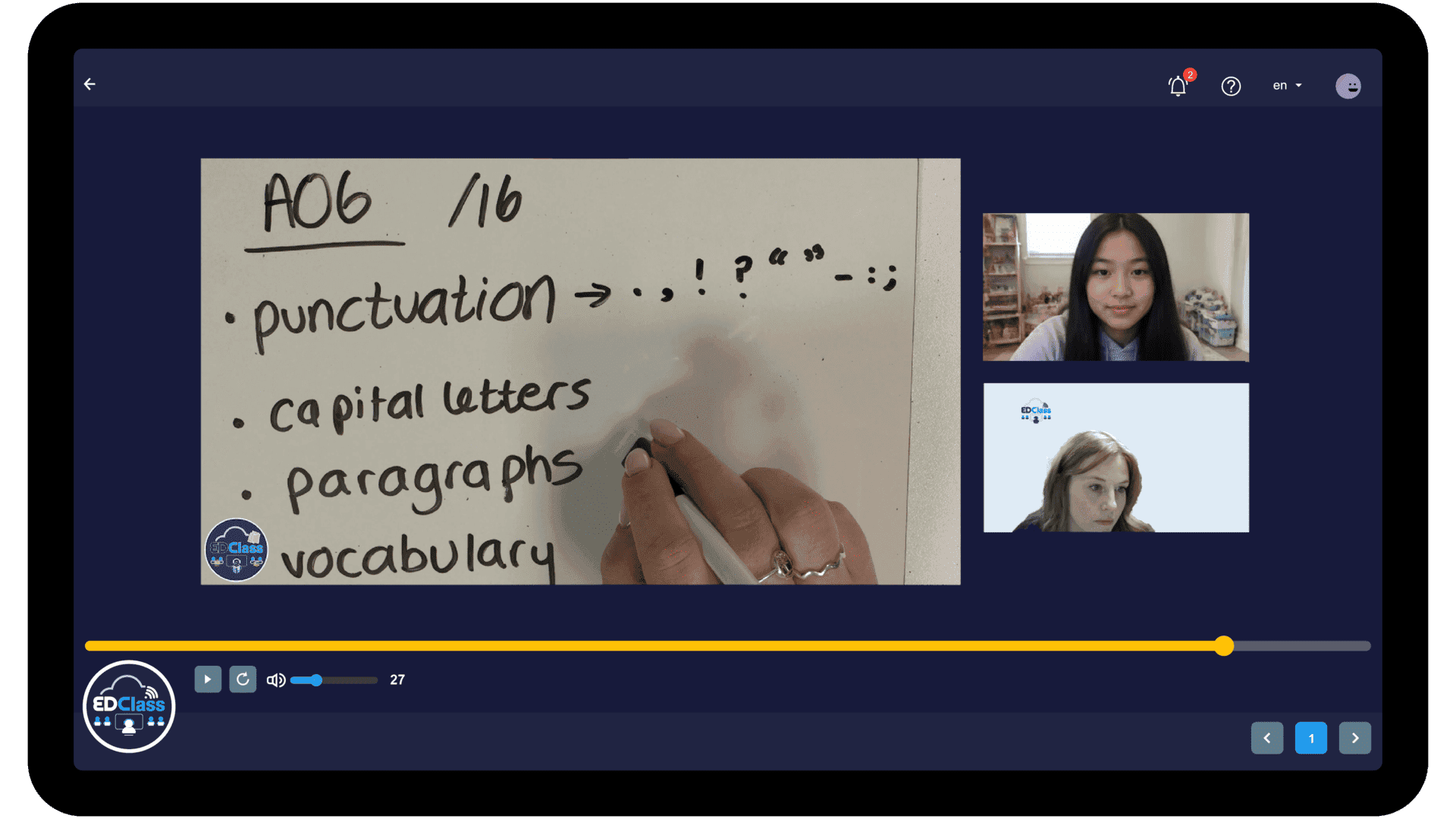
These are interleaved with literacy lessons designed to master technical accuracy of writing in both fiction and transactional writing with skills ranging from sentence demarcation to paragraphs and powerful punctuation.
KS4 English Language and Literature
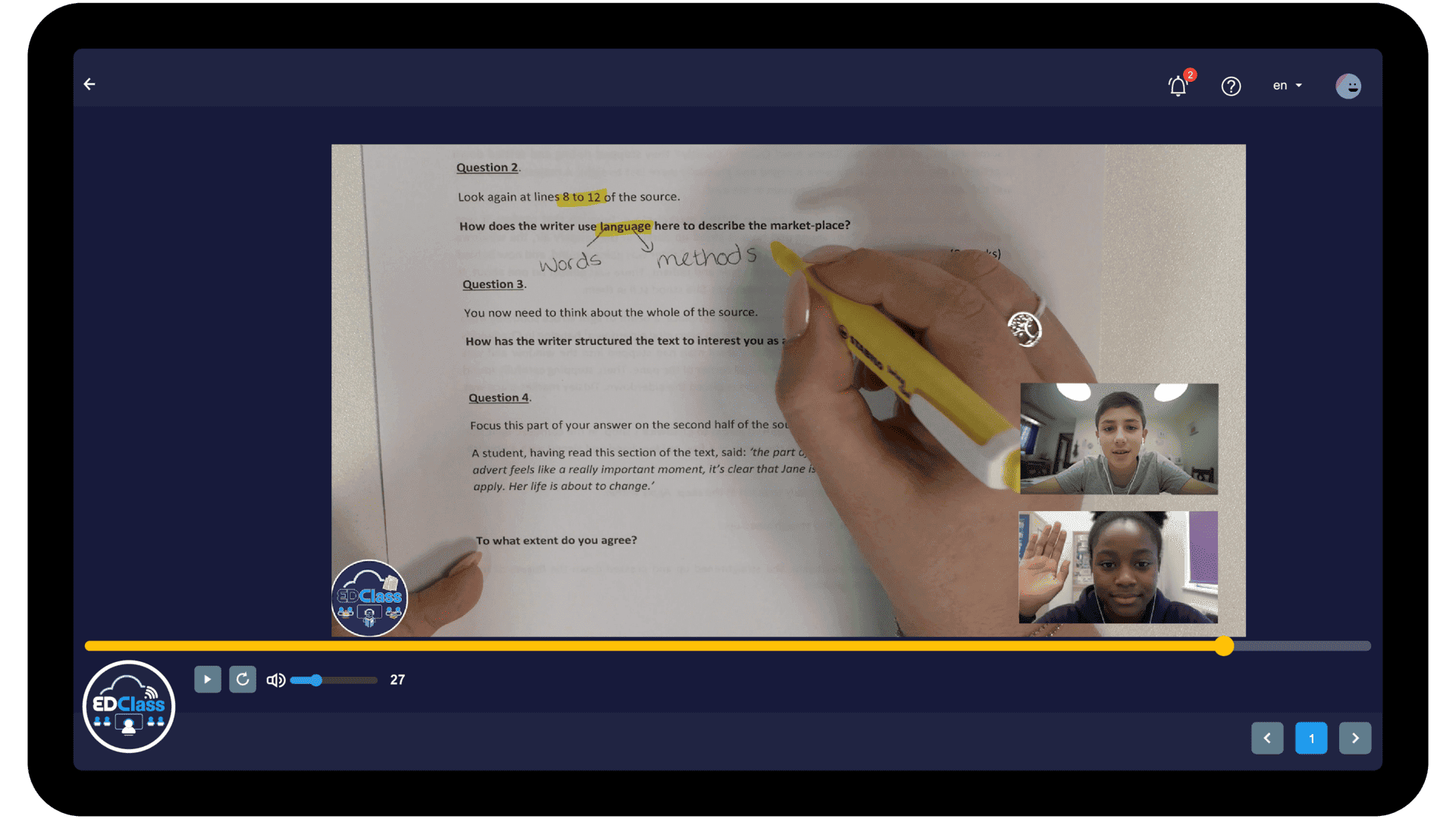
The EDClass key stage four curriculum for Language and Literature builds on the success of the key stage three curriculum to develop the exam approaches for all of the Ofqual GCSE English Language and Literature assessment objectives.
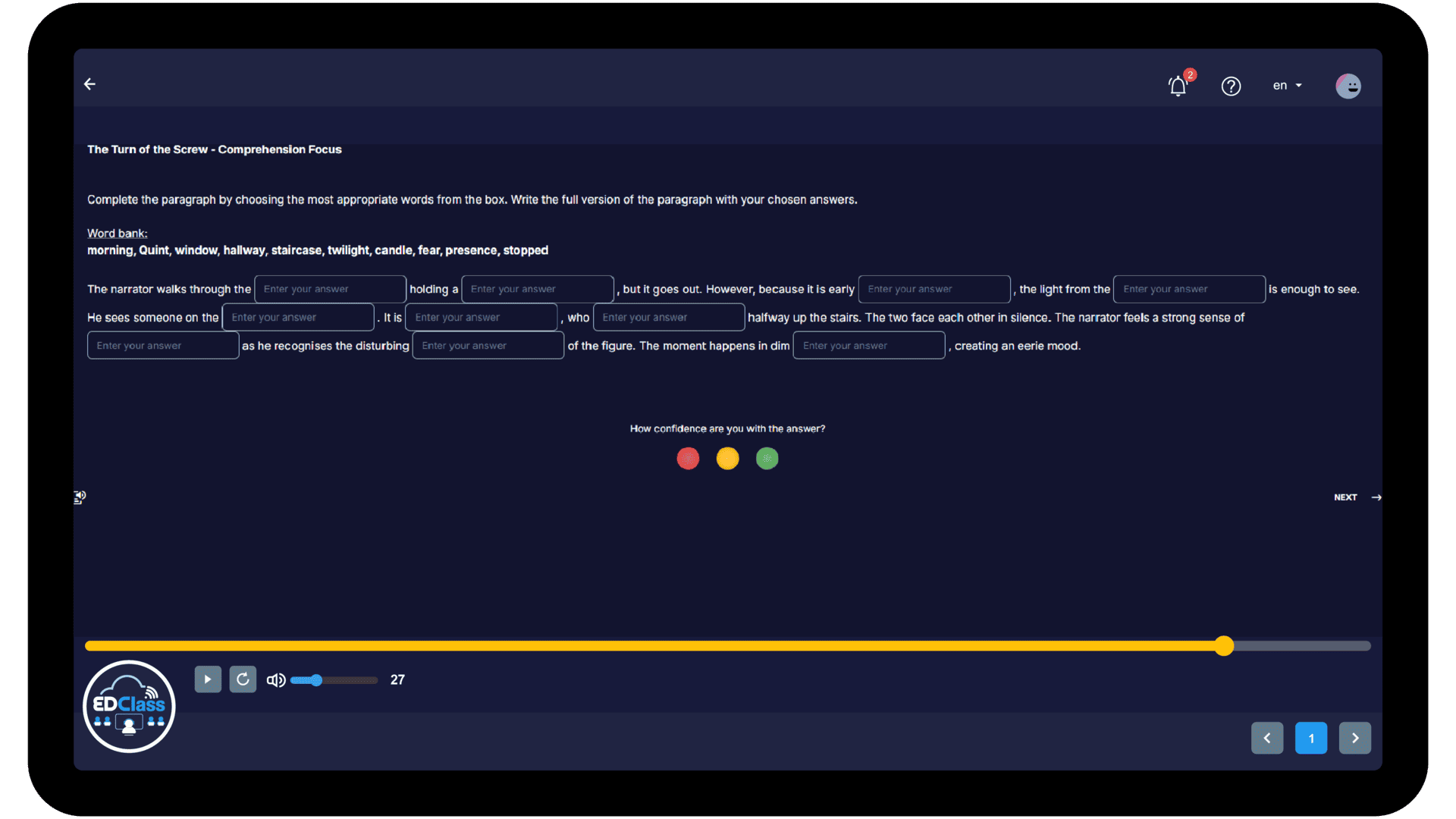
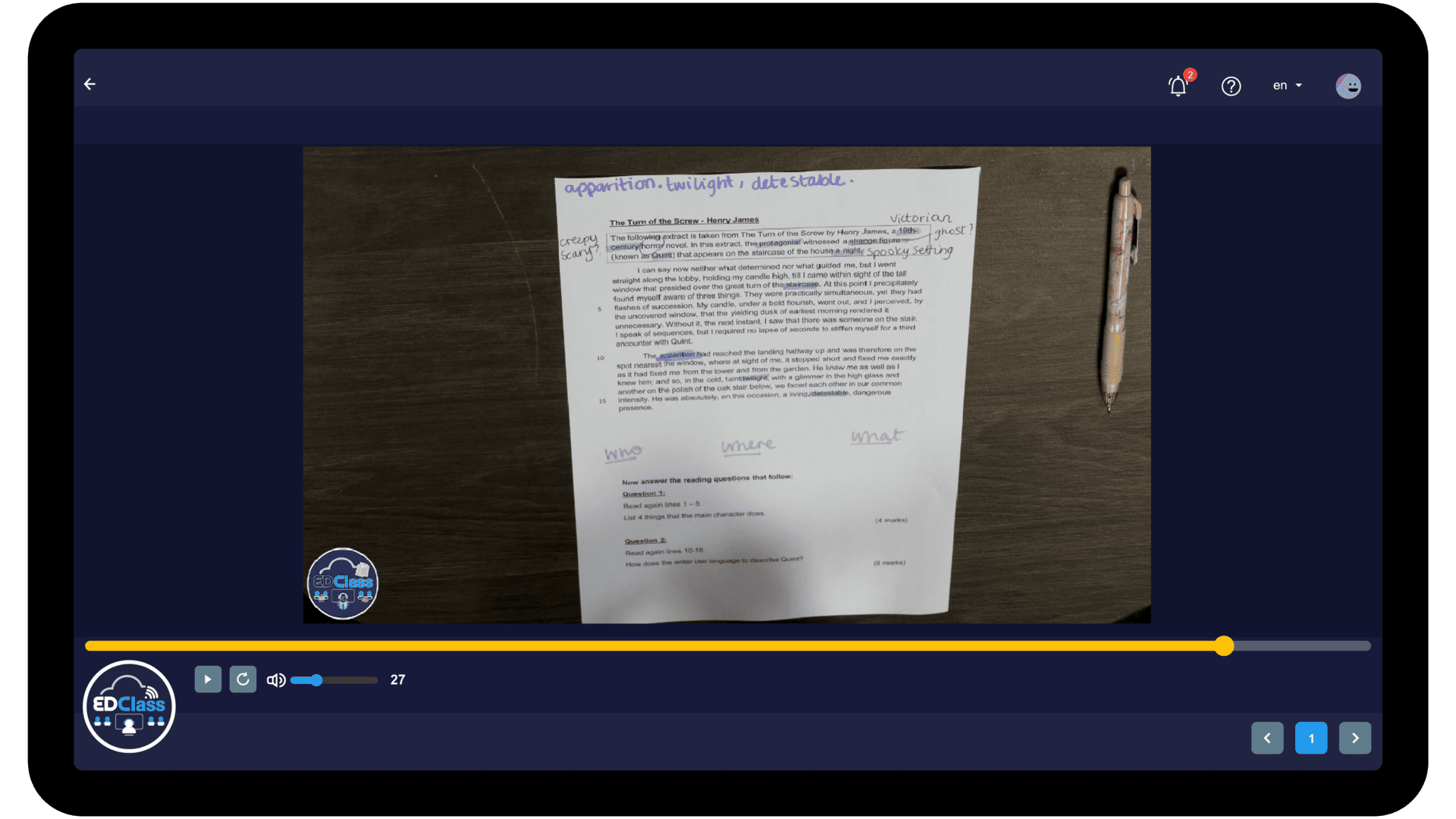
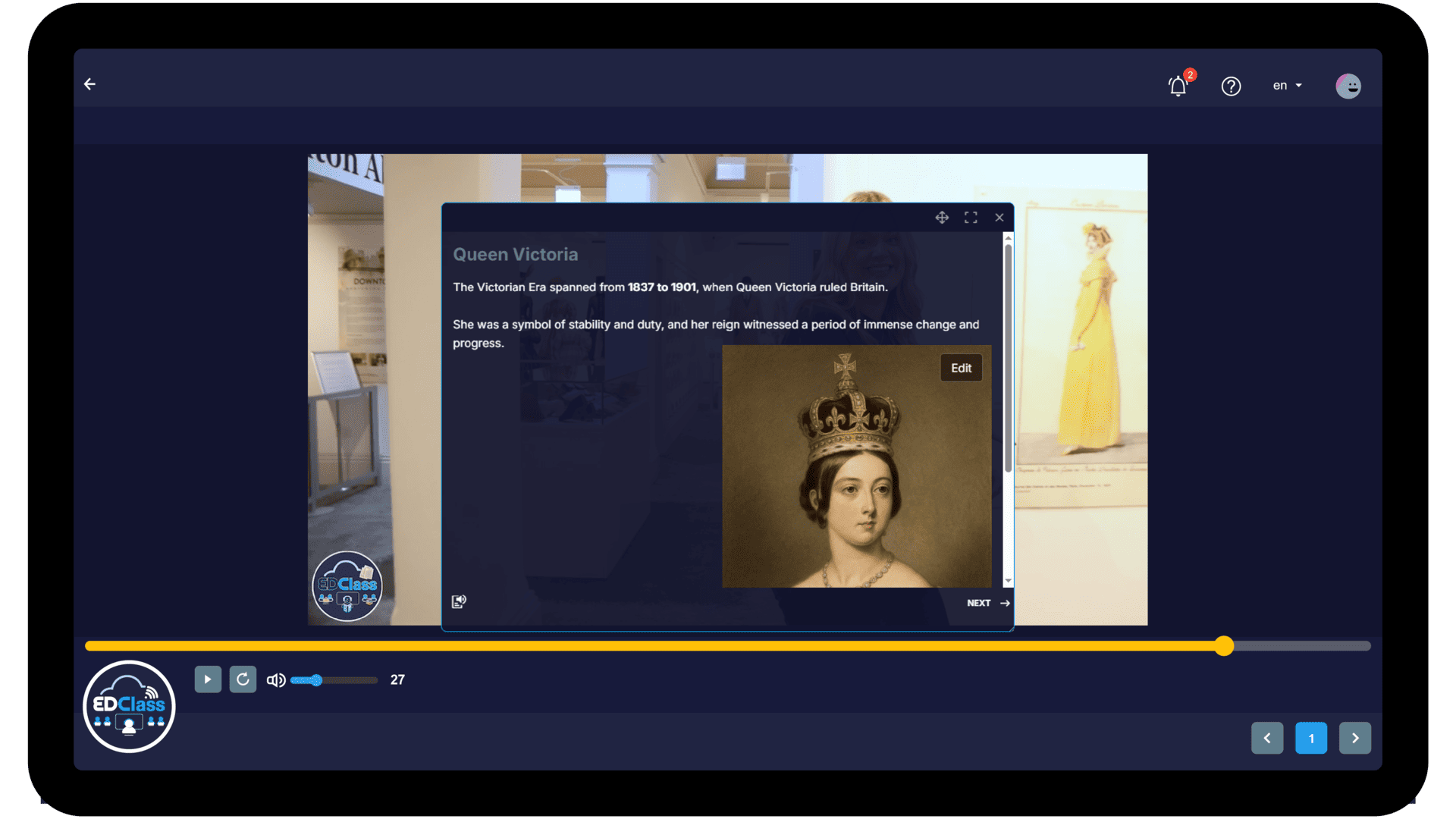
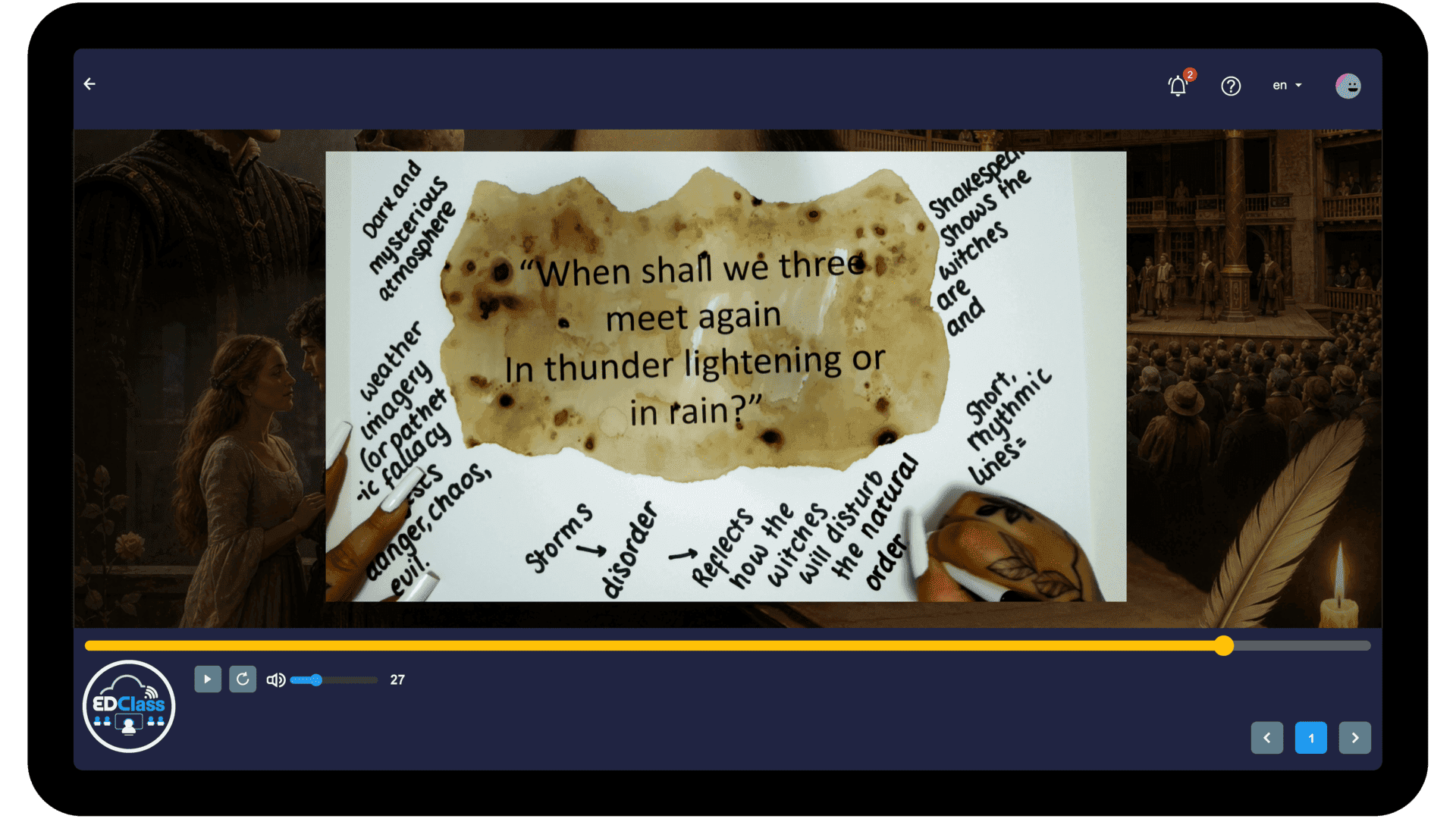
In all Literature texts, be those Shakespeare, Poetry, Modern prose or Drama and 19th Century texts, our lessons empower students to follow and analyse plot and character, explore authorial intent and relate texts to the contexts within which they were written.
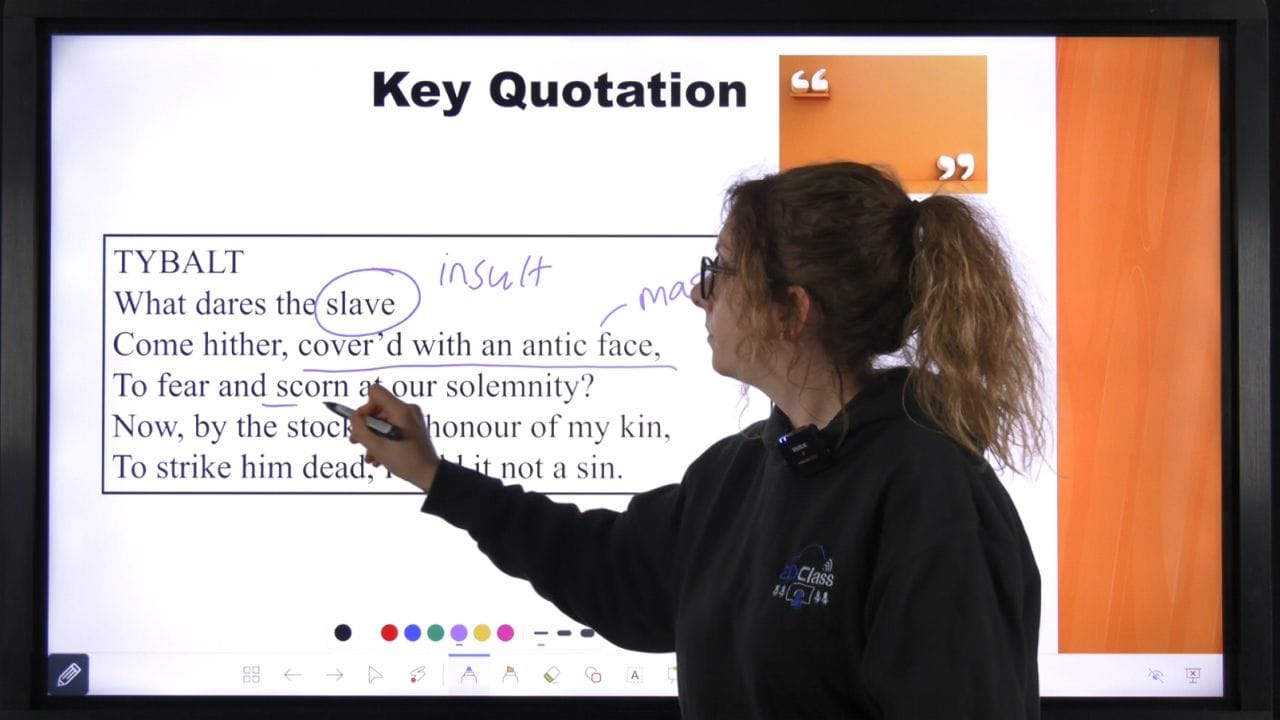
English Language Curriculum
Similarly, the English Language curriculum also includes robust opportunities to read a wide variety of interesting exam style texts and apply the relevant skills therein.
No GCSE Language skill is delivered in isolation, rather we take the opportunity to let reading lead and lend all important real-life relevance to the delivery of skills.
Writing is taught in the same way: lessons are designed to bridge any gaps in literacy whilst providing the opportunity to practice a wide variety of text styles, audiences and purposes.
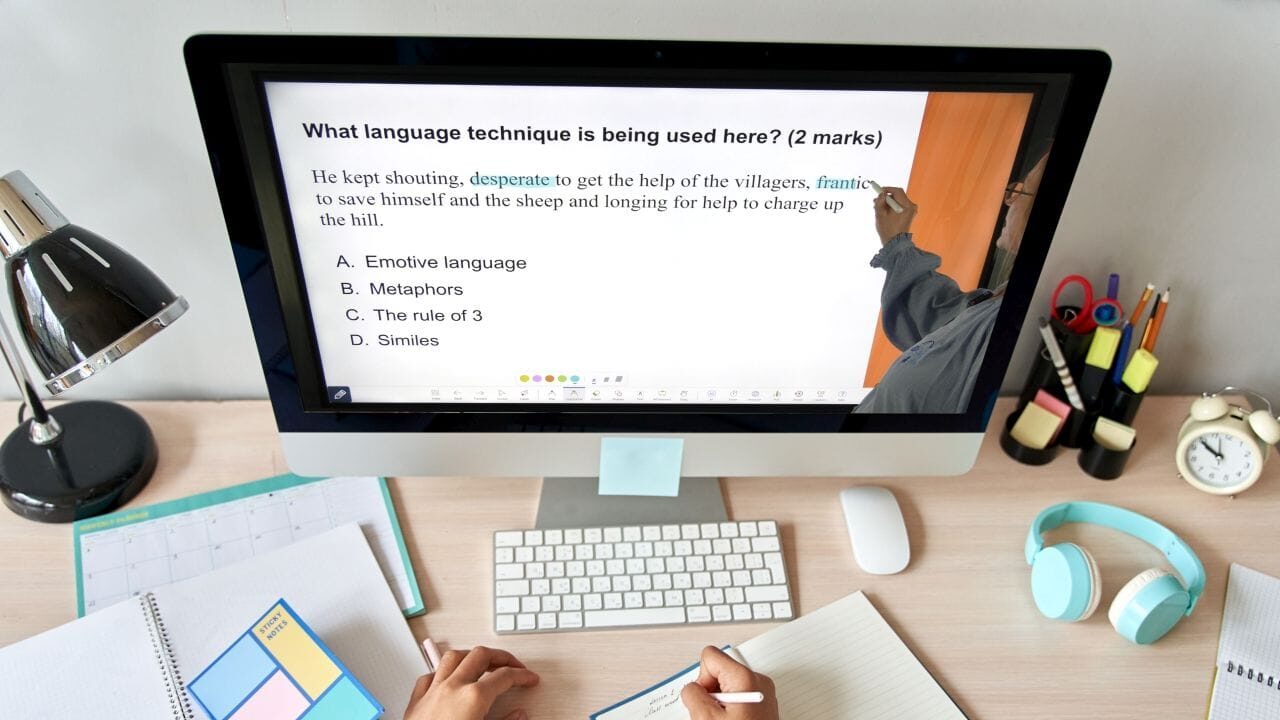
Curriculum Content
KS3 English Language
Construct Paragraphs and Use Cohesion Within and Between Paragraphs
Organise and Present Texts Effectively, Sequence and Structure Information and Ideas
Produce Texts Appropriate to Task, Purpose and Audience
Reading Strategies: Decoding for Meaning
Reading Strategies: Deduce, Infer or Interpret Information
Reading Strategies: Understand, Describe, Select Information / Ideas and Quote / Reference
Relate Texts to Social, Cultural and Historical Context and Literary Traditions
Select Appropriate and Effective Vocabulary
Structure and Organisation of Texts, Grammatical and Presentations Features
Technical Accuracy of Syntax and Punctuation in Phrases, Clauses and Sentences
Use Correct Spelling
Vary Sentences for Clarity, Purpose and Effect
Write Imaginative, Thoughtful and Interesting Texts
Writer’s Purpose and Viewpoint, Overall Effect of Text
Writer’s Use of Language Including Grammatical and Literary Features
KS3 English Literature
Diary of a Wimpy Kid
Gangsta Rap
Holes
Prose: Skellig
Rani and Sukh
The Boy in the Striped Pyjamas
The Switch
Poetry
Introduction to Poetry
Poetry: Characters and Relationships
Poetry Clusters: Love and Relationships
Poetry Clusters: Power and Conflict
Poetry Clusters: Unseen
Poetry Clusters: Words and Lives
KS4 English Literature
Hamlet
Othello
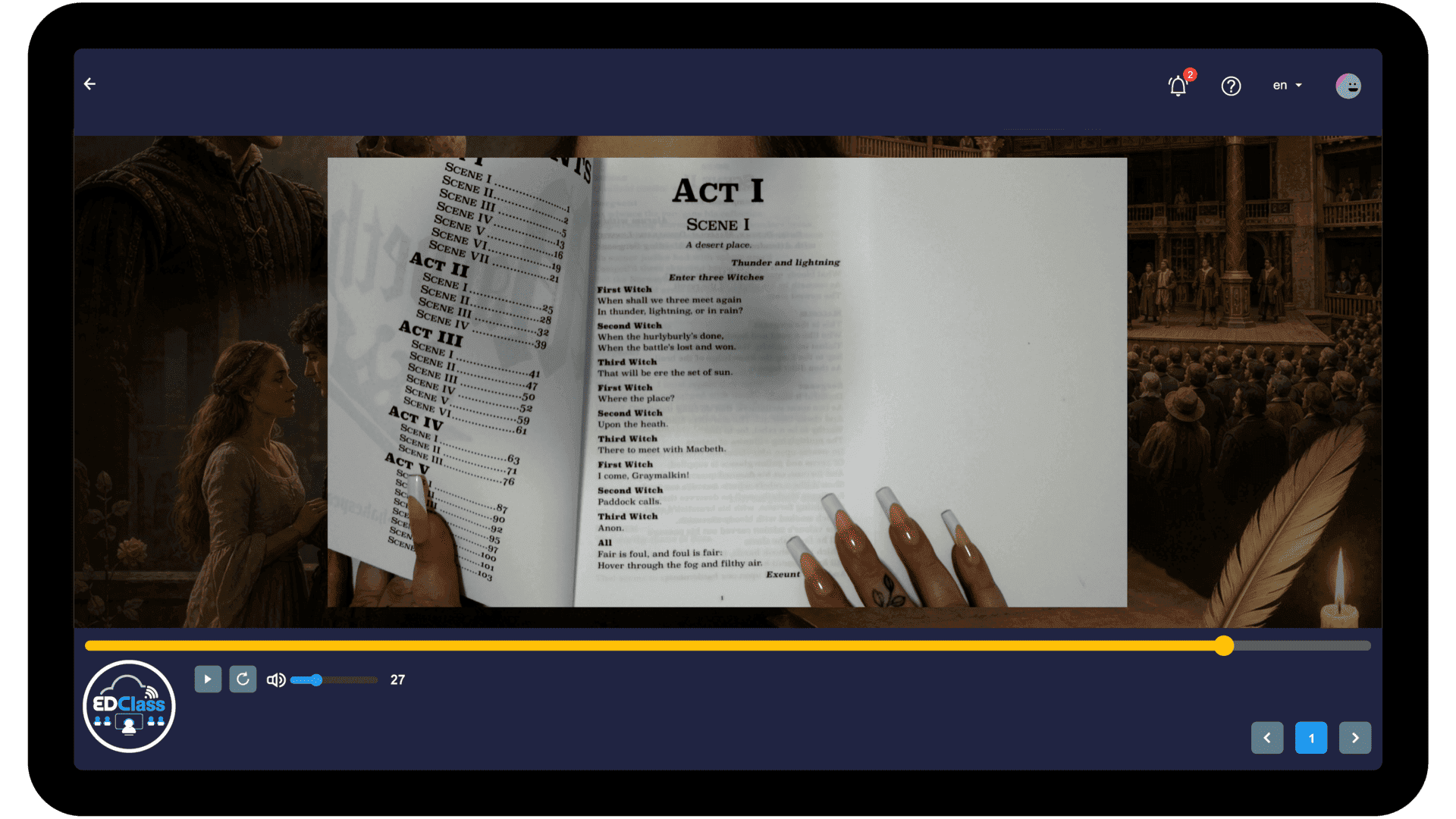
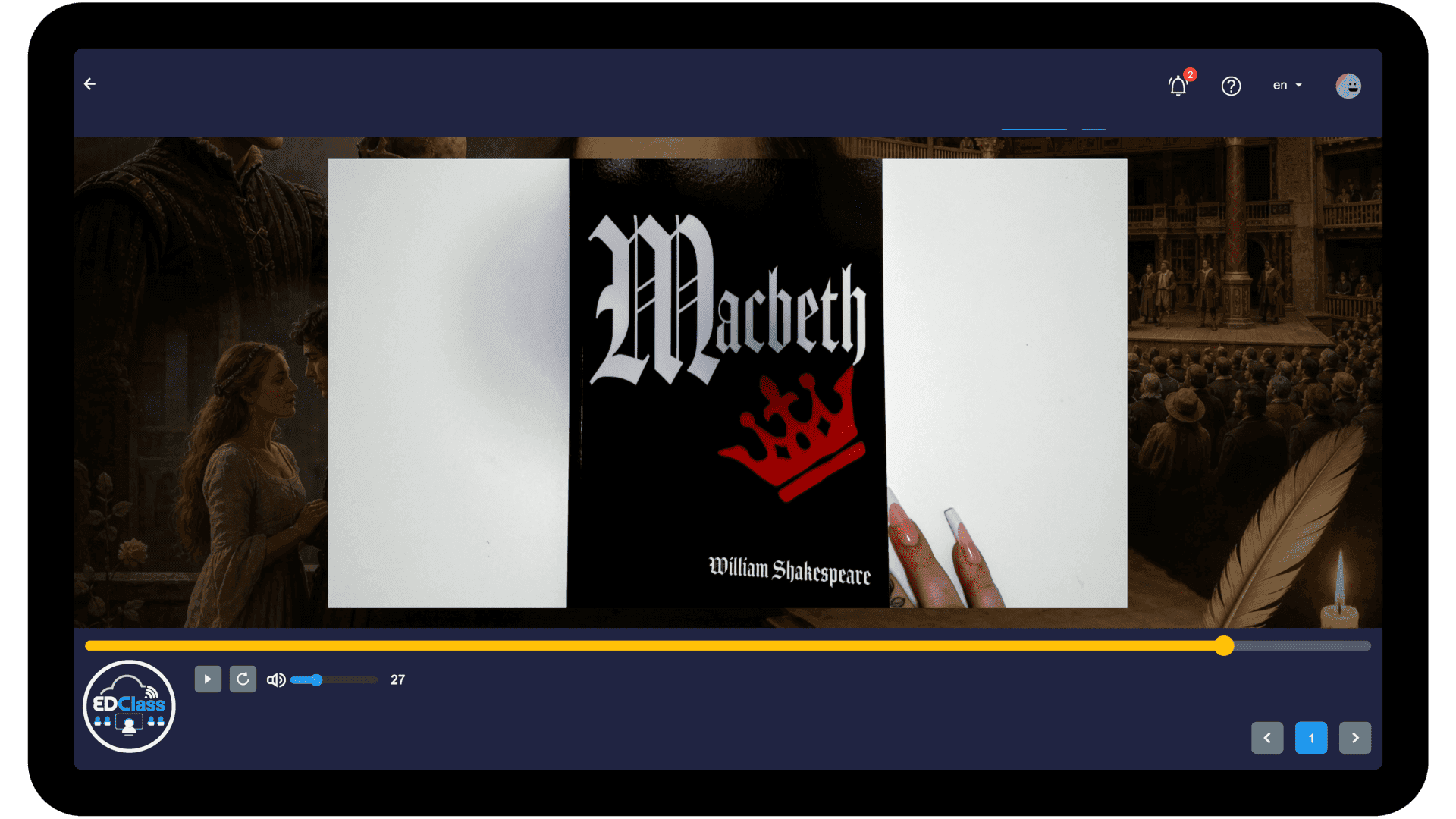
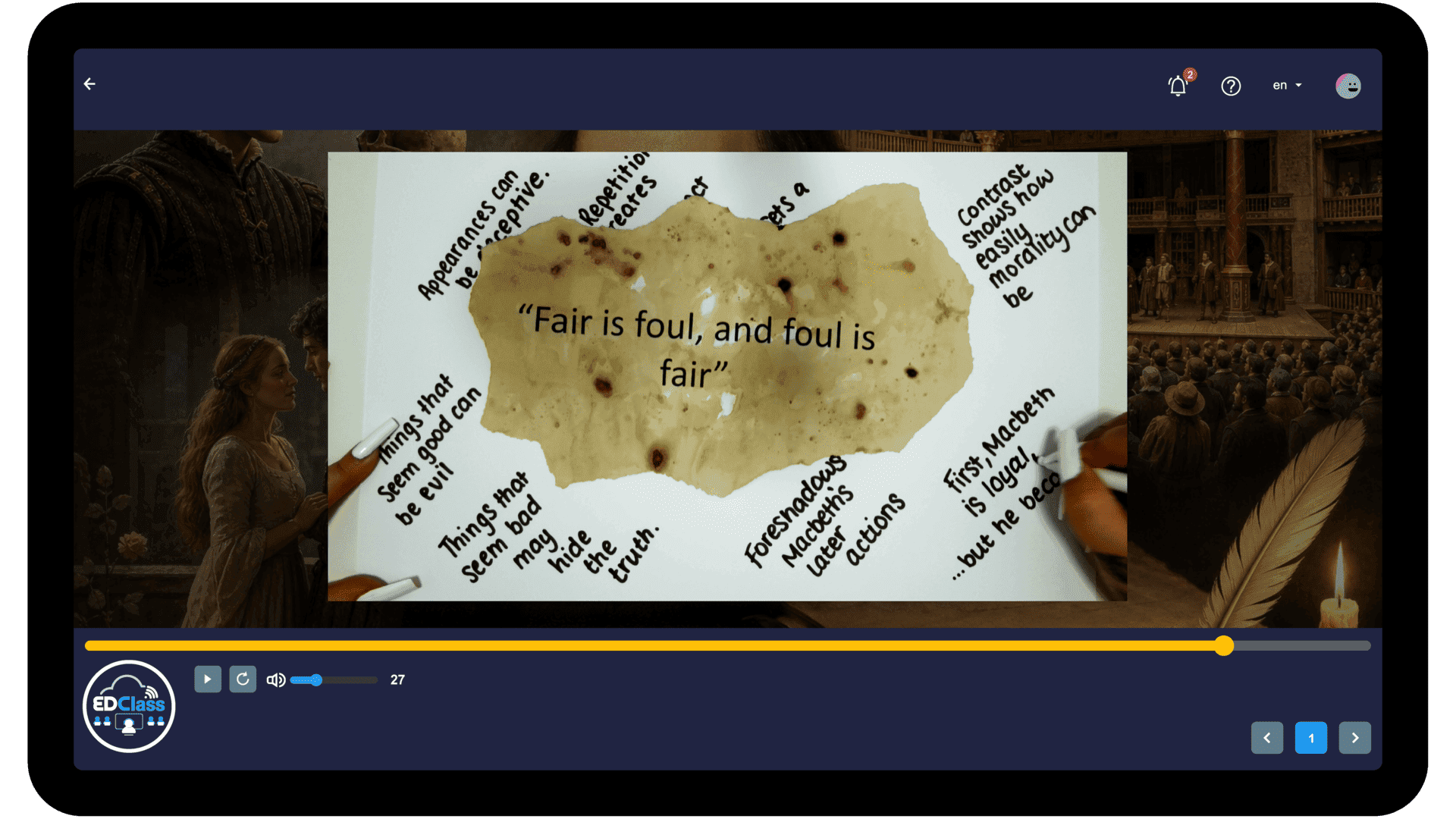
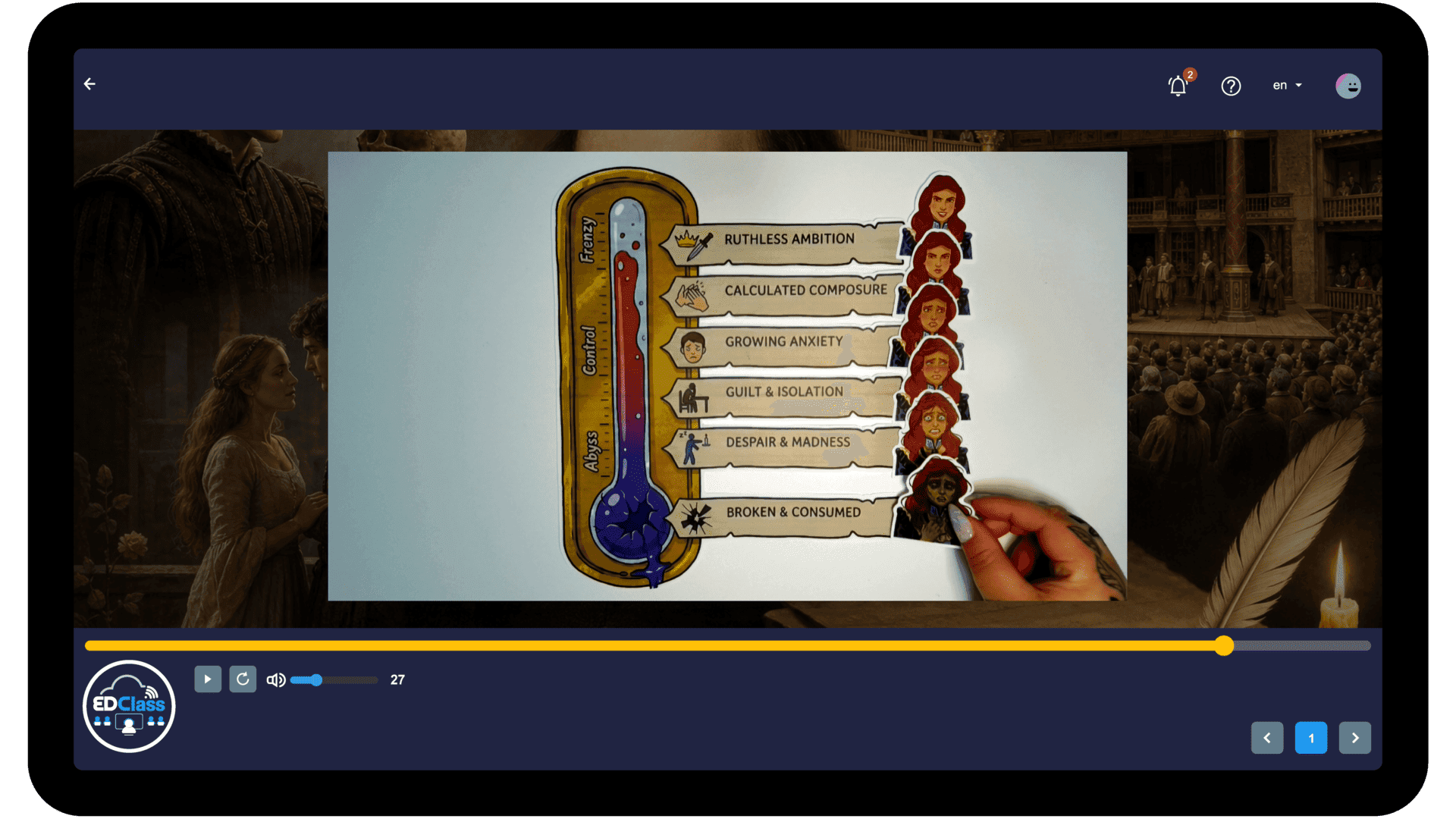
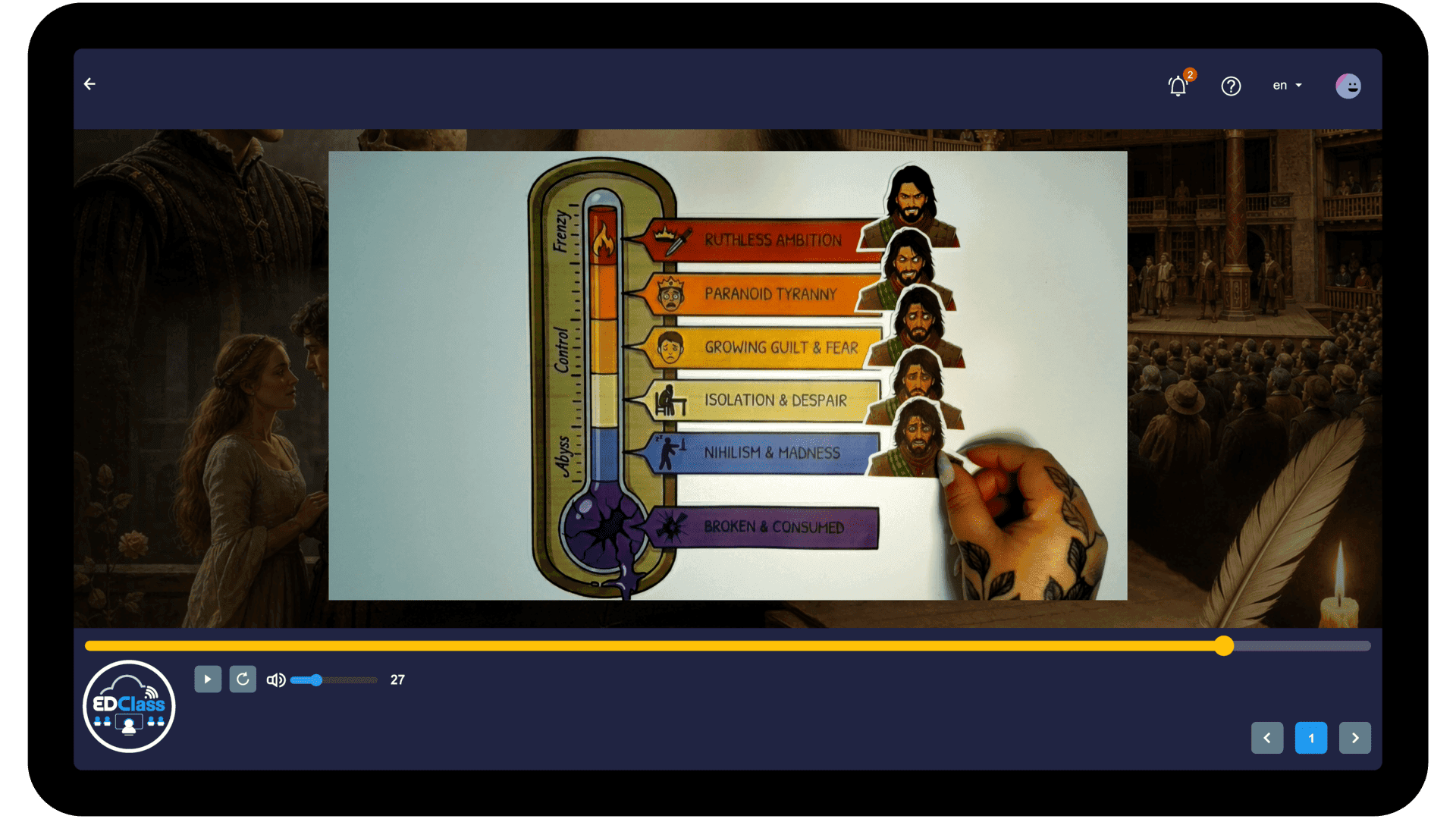
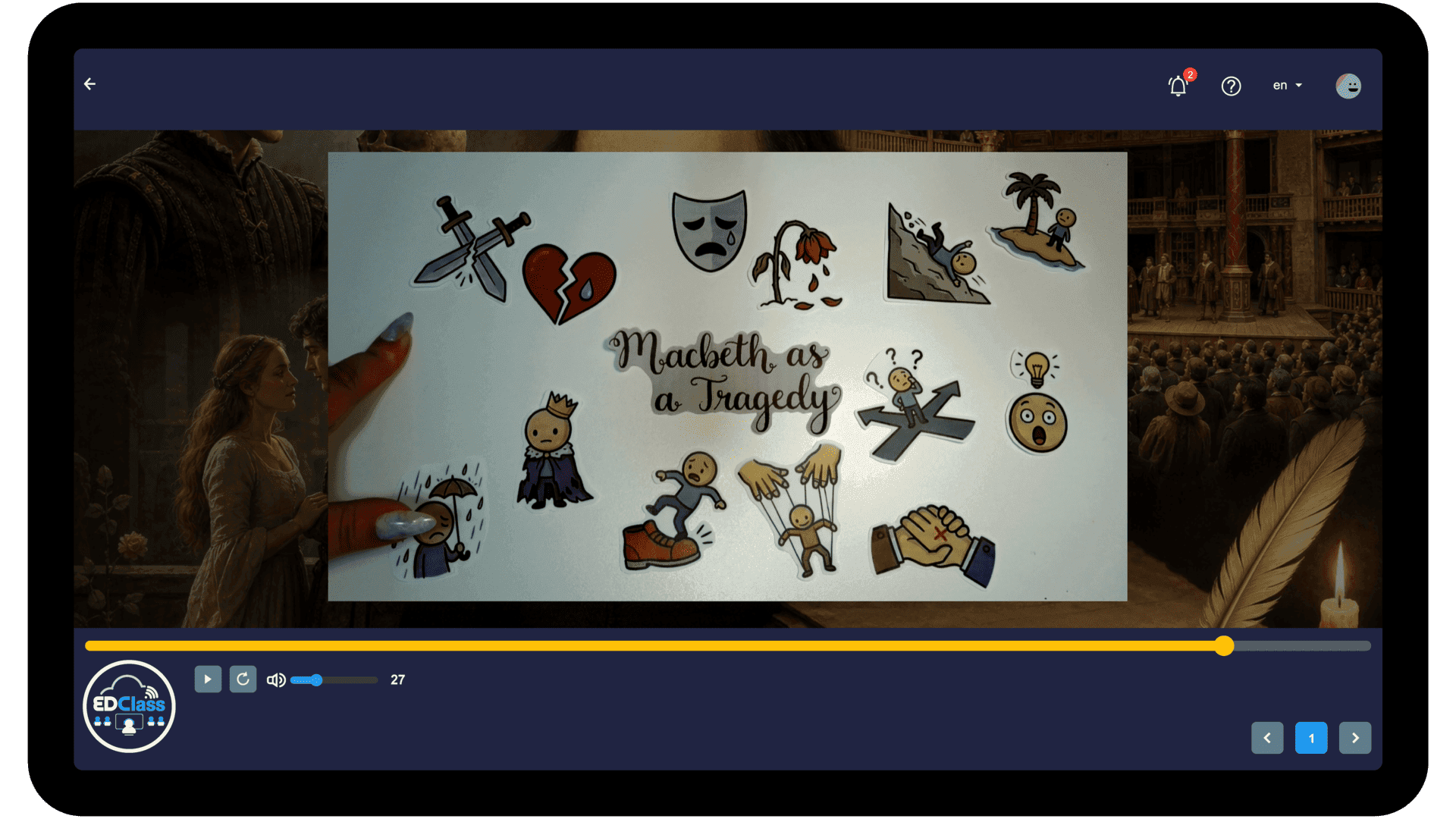
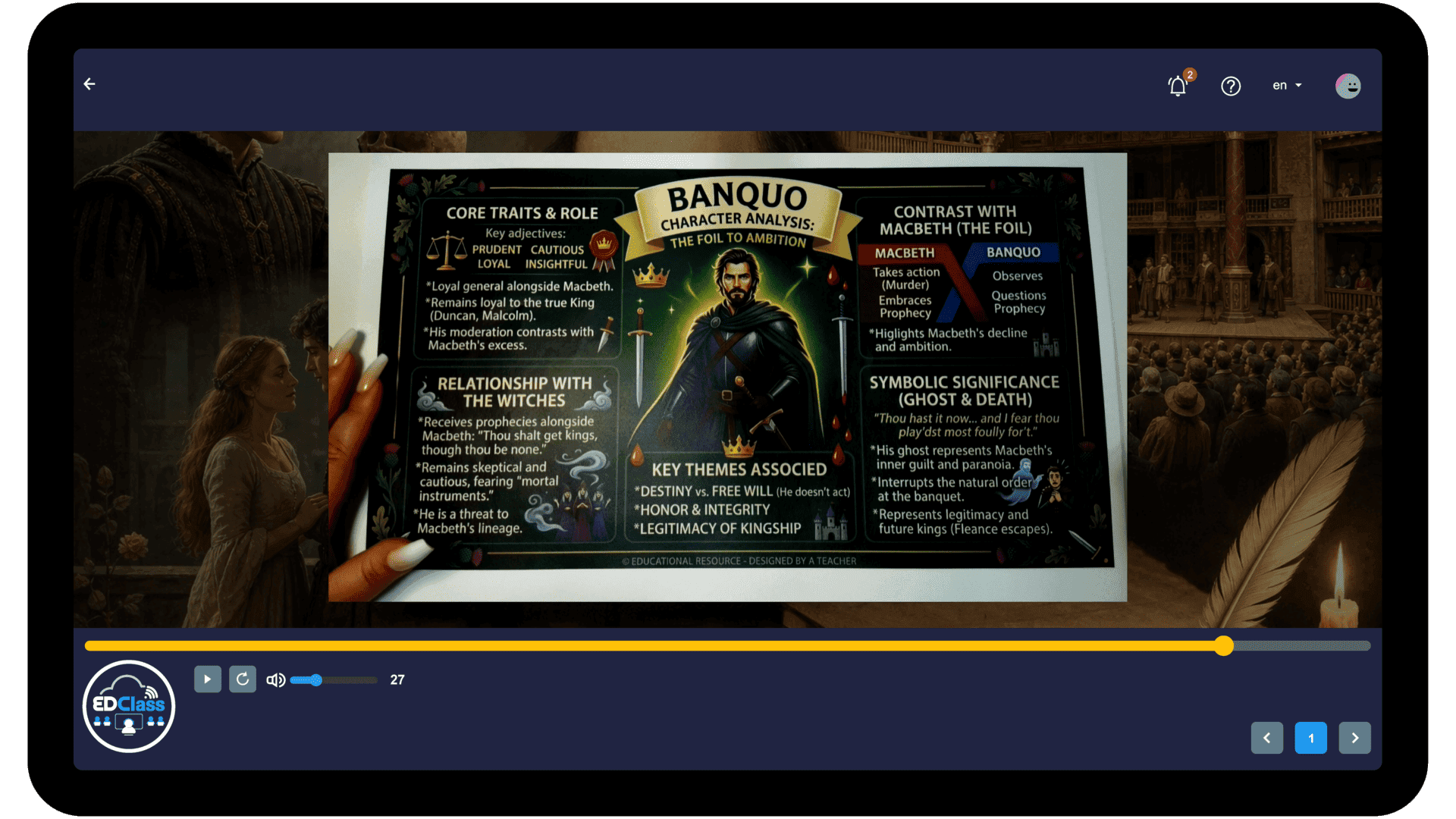
Macbeth
Much Ado About Nothing
Romeo and Juliet
KS4 English Literature 19th Century
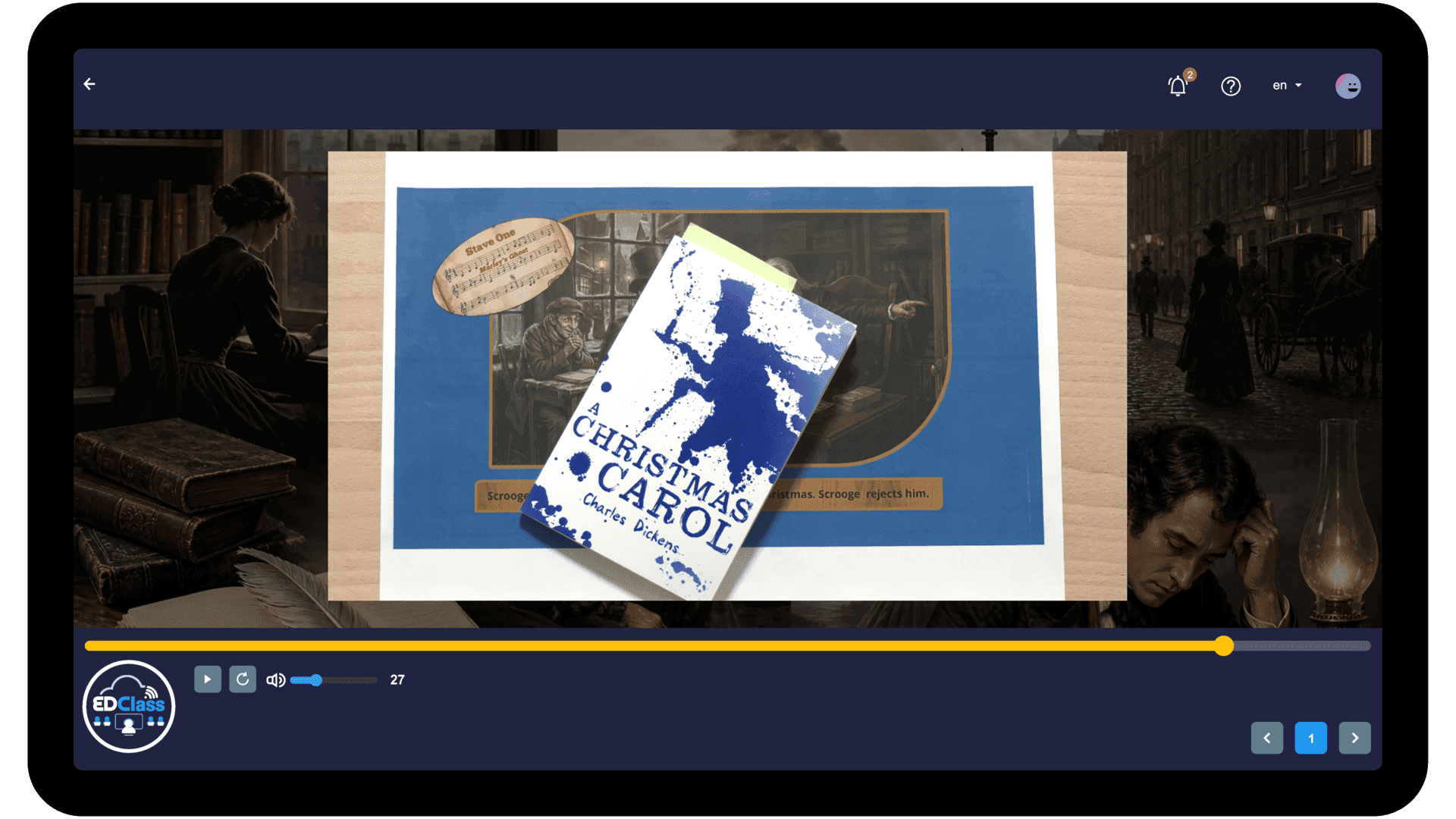
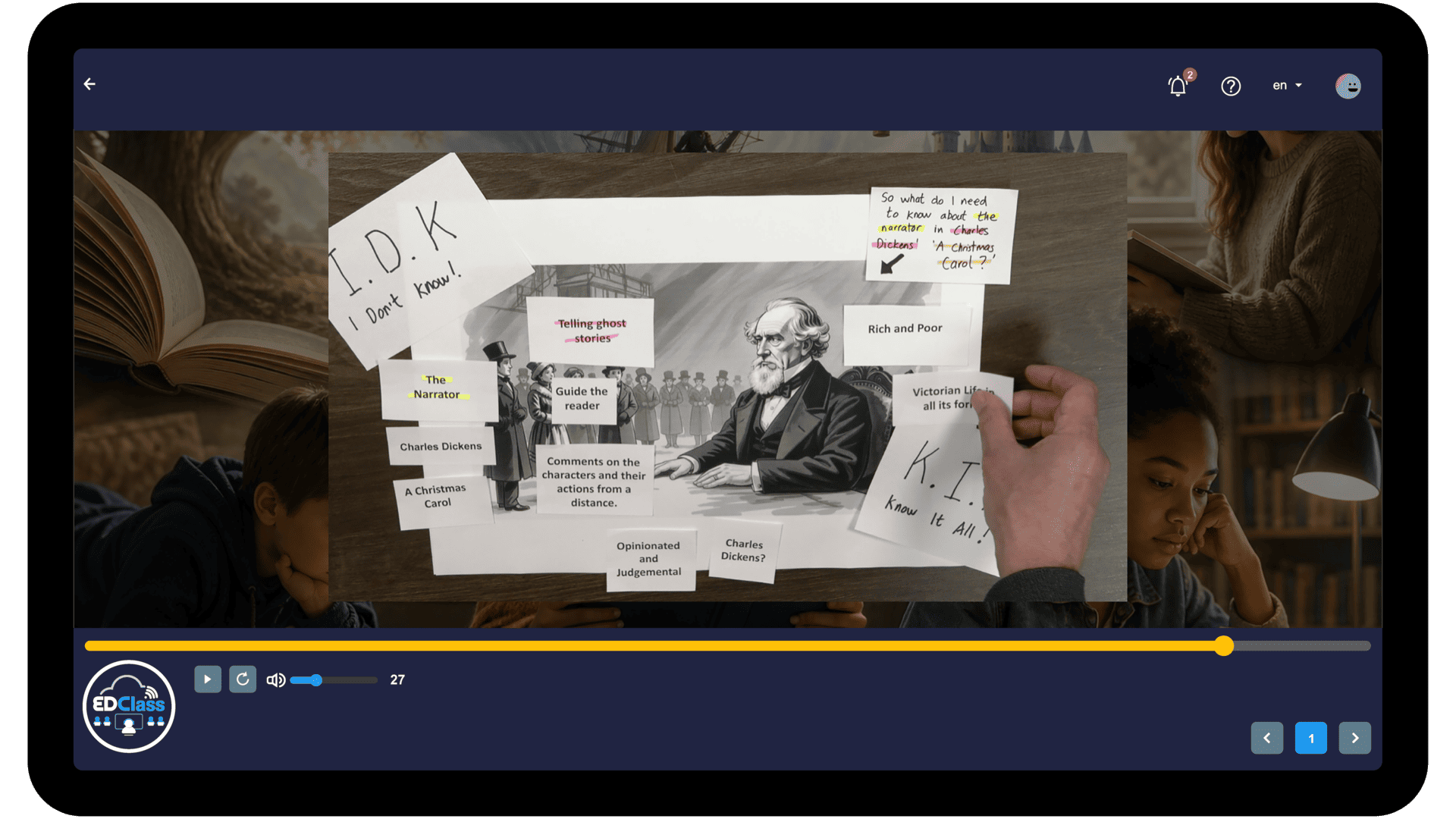
A Christmas Carol
Frankenstein
Great Expectations
Pride and Prejudice
Sherlock Holmes: The Sign of the Four
The Hound of the Baskervilles
KS4 English Literature Modern
Animal Farm
Blood Brothers
DNA
Inspector Calls
Of Mice and Men
To Kill A Mockingbird